 Slovenski INSPIRE metapodatkovni sistem
Keyword
Podatki velike vrednosti
32 record(s)
Type of resources
Categories
INSPIRE themes
Keywords
Formats
Representation types
Scale
Resolution
-
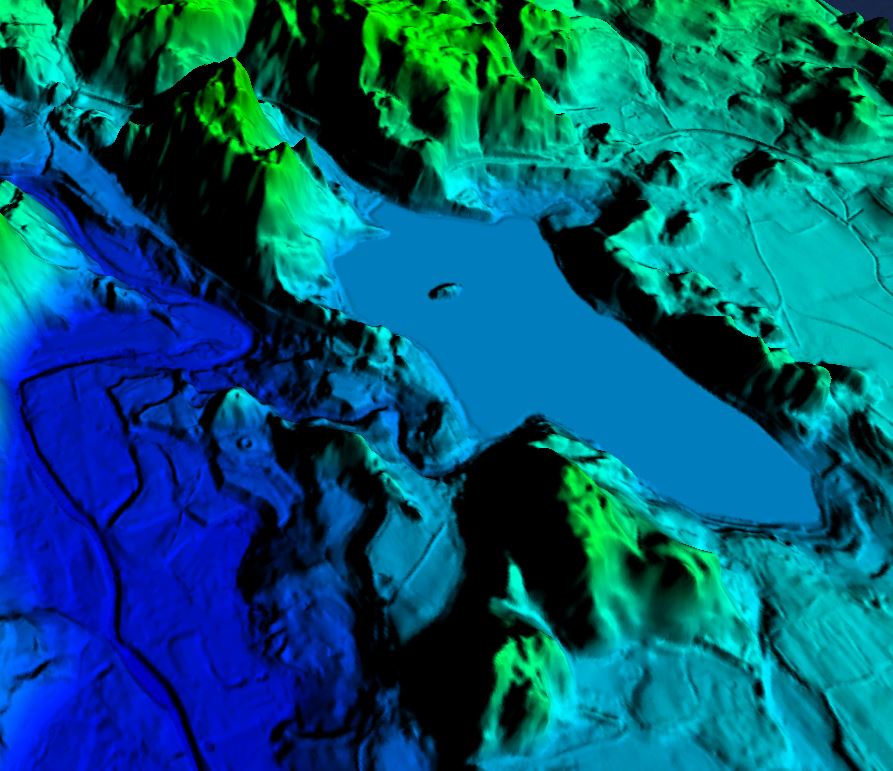
Digital Elevation Model is a description of the relief in the form of a model, where the height of the relief is given for each node of the square grid. The model represents a Digital Relief Model of Slovenia and Digital Elevation Model with grid size 5 x 5 m (DMV 5). Digital Relief Model of Slovenia was established using various geodetic data, using the method of weighted aggregation from resources with some geomorphological corrections. It was made in 2001-2005 and is available as a model in a square grid with a cell size 12.5 m, 25 m and 100 m (DMV 12.5, DMV 25 and DMV 100). DMV 5 was created in 2006 and was regularly maintained until 2014 using cyclic aerial survey of Slovenia (CAS). Some additional data sources were used to produce the model as well. The data of both models are available as ASCII files (y, x, H), for example: 401000.0 112000.0 251.71 401025.0 112000.0 241.03 401050.0 112000.0 230.51 401075.0 112000.0 219.88 401100.0 112000.0 208.31 401125.0 112000.0 195.45
-
Prispevno območje vodnih teles vodotokov je območje, s katerega vse površinske vode odtekajo v posamezno vodno telo površinskih voda (vodotok, jezero ali morje).
-
Evidenca obsega seznam merilnih mest v mreži državnega monitoringa (ARSO) za spremljanje kakovosti površinskih voda. Vsako merilno mesto predstavlja v evidenci zapis, ki ga sestavljajo šifra merilnega mesta, ime merilnega mesta, ime vodotoka, vodno telo, ki ga sestavljajo šifra vodnega telesa, ime povodja ali porečja, kamor spada vodno telo, ime vodotoka, kateremu pripada vodno telo, ime vodnega telesa, vrsta in tip vodnega telesa, nadmorska višina, Gauß-Krügerjeve in ETRS koordinate lokacije.
-
Prispevno območje kopalne vode je območje, s katerega vse celinske vode odtekajo preko potokov, rek ali jezer v kopalno vodo in se določi na podlagi hidrografskih razvodnic. Podatkovni niz prikazuje prispevna območja kopalnih voda po Uredbi o upravljanju kakovosti kopalnih voda (Uradni list RS, št. 25/08).
-
Osnovni namen podatkovnega sloja je opredelitev pogojev in omejitev za izvajanje posegov v prostor in dejavnosti na območjih, ogroženih zaradi poplav. Podatki so namenjeni tudi načrtovanju ukrepov zmanjševanja poplavne ogroženosti, načrtovanju prostorskih ureditev in posegov v prostor ter obveščanju o poplavnih razmerah. Območja so določena po postopku, predpisanem v Pravilniku o metodologiji za določanje območij, ogroženih zaradi poplav in z njimi povezane erozije celinskih voda in morja, ter o načinu razvrščanja zemljišč v razrede ogroženosti (Uradni list RS, št. 60/2007). Ploskovni prostorski objekti predstavljajo obsege majhnih globin (Gm), kjer je pri pretoku Q100 globina vode manjša od 0.5 m, obsege srednjih globin (Gs), kjer je pri pretoku Q100 globina vode večja od 0.5 m in manjša od 1.5 m in obsege velikih globin (Gv), kjer je pri pretoku Q100 globina vode večja od 1.5 m. Območje veljavnosti rezultatov prikazuje območje, kjer ti rezultati veljajo.
-
Območja poplavne nevarnosti se določajo predvsem na podlagi opozorilne karte poplav, prednostno za območja, kjer lahko pride do pomembnejše ogroženosti. Določitev območij se izvaja z metodami modeliranja in analiziranja, ki morajo ustrezati priznanemu stanju znanosti na podlagi hidroloških, geoloških, geomorfoloških in geodetskih podatkov ter podatkov o rabi tal in pokrovnosti. izbira metod mora ustrezati dejanskim razmeram na območju in pričakovani natančnosti rezultatov. Ploskovni prostorski objekti predstavljajo obsege: - območij poplavljanja pri pretoku Q500, - območij poplavljanja pri pretoku Q100 - območij poplavljanja pri pretoku Q10. - območja hidravlične obdelave, na katerih so rezultati hidrološko-hidravlične analize poplavne nevarnosti veljavni (OVR). Posamezne hidrološko-hidravlične študije imajo določena območja hidravlične obdelave in območja veljavnosti rezultatov hidravličnega modela. Na dveh ali več območjih prekrivanja veljavnosti rezultatov so območja združena v eno skupno območje veljavnosti rezultatov. Osnovni namen podatkovnega sloja je podrobnejši prikaz poplavnih razmer na določenem območju in zagotavljanje strokovne podlage za razvrščanje območij poplavljanja v razrede poplavne nevarnosti. Podatki so namenjeni tudi načrtovanju ukrepov zmanjševanja poplavne ogroženosti, načrtovanju prostorskih ureditev in posegov v prostor, obveščanju in ozaveščanju javnosti, načrtovanju ukrepov zaščite in reševanja ter izvajanju mednarodnih obveznosti.
-
Vplivna območja posameznih kopalnih voda so območja, kjer lahko izvajanje človekovih dejavnosti vpliva na kakovost kopalne vode in lahko predstavlja vir tveganja za zdravje kopalcev. Podatkovni niz prikazuje vplivna območja kopalnih voda po Uredbi o upravljanju kakovosti kopalnih voda (Uradni list RS, št. 25/08). Vplivna območja so določena na podlagi kriterijev iz Uredba o odvajanju in čiščenju komunalne odpadne vode (Uradni list RS, št. 98/15 in spr.) in predhodne Uredbe o emisiji snovi pri odvajanju odpadne vode iz komunalnih čistilnih naprav (Uradni list RS, št. 45/07 in spr.) in Uredbe o emisiji snovi pri odvajanju odpadne vode iz malih komunalnih čistilnih naprav (Uradni list RS, št. 98/07 in spr.). Za vplivna območja kopalnih voda so skladno z navedenima predpisoma določene posebne zahteve glede odvajanja in čiščenja komunalnih odpadnih voda. Podatki so namenjeni državi in lokalnim skupnostim kot podlaga za izvajanje ukrepov na področju upravljanja kopalnih voda ali izvajanje drugih nalog upravljanja voda, za izvajanje ukrepov na področju varstva okolja, ki se nanašajo na odvajanje in čiščenje komunalnih odpadnih voda ali na izdajo okoljevarstvenih dovoljenj. Podatki so namenjeni tudi javnosti, kot informacija, kje se nahajajo vplivna območja kopalnih voda.
-
Evidenca obsega seznam merilnih mest v mreži državnega monitoringa na ARSO za spremljanje kakovosti zunanjega zraka in padavin. Nabor merilnih mest se z leti spreminja, v prikazu so zajeta samo aktivna merilna mesta. Za vsako merilno mesto sta prikazani natančna lokacija in koda merilnega mesta, nabor meritev, območje za ocenjevanje kakovosti zraka ter tip merilnega mesta.
-
Porečja Save, Drave, Mure ter povodji Soče in jadranskih rek v Republiki Sloveniji so teritorialne podlage upravljanja z vodami in v Republiki Sloveniji skupaj tvorijo povodji Donave in Jadranskega morja. Povodje je območje, s katerega vse celinske vode odtekajo preko potokov, rek ali jezer v reko, ki se izliva v morje. Porečje pa je območje, s katerega vse celinske vode odtekajo preko potokov, rek ali jezer v reko ali jezero. Sloj v povezavi z Načrtom upravljanja voda in vodnimi telesi.
-
Podatkovna zbirka Referenčni odseki zajema odseke vodotokov in obale jezer, ki so pomembni za določitev za tip površinske vode značilnih referenčnih razmer, kot to določa Uredba o načrtih upravljanja voda na vodnih območjih Donave in Jadranskega morja (Uradni list RS, št. 67/16). Referenčni odseki , kakor jih določa Uredba o načrtih upravljanja voda na vodnih območjih Donave in Jadranskega morja (Uradni list RS, št. 67/16) so odseki vodotokov in obale jezer, na katerih so referenčna mesta, ki so mesta z le zelo majhnimi spremembami hidromorfoloških, fizikalno-kemijskih in bioloških elementov kakovosti ekološkega stanja površinskih voda zaradi človekove dejavnosti ter ustrezajo opredelitvam za zelo dobro ekološko stanje v skladu s predpisom, ki ureja stanje površinskih voda. Referenčni odseki vodotokov so določeni kot odseki vodotokov v dolžini 400 m gorvodno in 100 m dolvodno od referenčnega mesta. Referenčni odseki na jezerih so odseki obale jezera, na katerih je več zaporednih 100-metrskih odsekov z le zelo majhnimi spremembami hidromorfoloških, fizikalno-kemijskih in bioloških elementov kakovosti ekološkega stanja površinskih voda zaradi človekove dejavnosti, ki ustrezajo opredelitvam za zelo dobro ekološko stanje v skladu s predpisom, ki ureja stanje površinskih voda. Skladno z 4 (4). členom Uredbe o načrtih upravljanja voda na vodnih območjih Donave in Jadranskega morja (Uradni list RS, št. 67/16) so referenčni odseki in njihove geografske meje določene na digitalnem podatkovnem sloju za raven merila 1 : 25.000 v državnem koordinatnem sistemu. Podatki o referenčnih odsekih in njihovih geografskih mejah vključujejo zlasti: - identifikacijsko številko referenčnega odseka; - šifro in ime vodnega telesa površinskih voda, kjer je določen referenčni odsek; - tip površinskih voda za vrednotenje ekološkega stanja (ekološki tip), za katerega je določen referenčni odsek; - dolžino referenčnega odseka; - velikost prispevne površine referenčnega odseka in - datum določitve referenčnega odseka. Referenčne odseke vodotokov zajema sloj Referenčni odseki vodotokov. Referenčne odseke obale jezer zajema sloj Referenčni odseki na jezerih. Odseke gorvodno in dolvodno od referenčnih odsekov, kakor jih določa Uredba o načrtih upravljanja voda na vodnih območjih Donave in Jadranskega morja (Uradni list RS, št. 67/16)) zajema zbirka Odseki dolvodno in gorvodno od referenčnih odsekov.